
How to Care for Your E Bike Battery in Winter
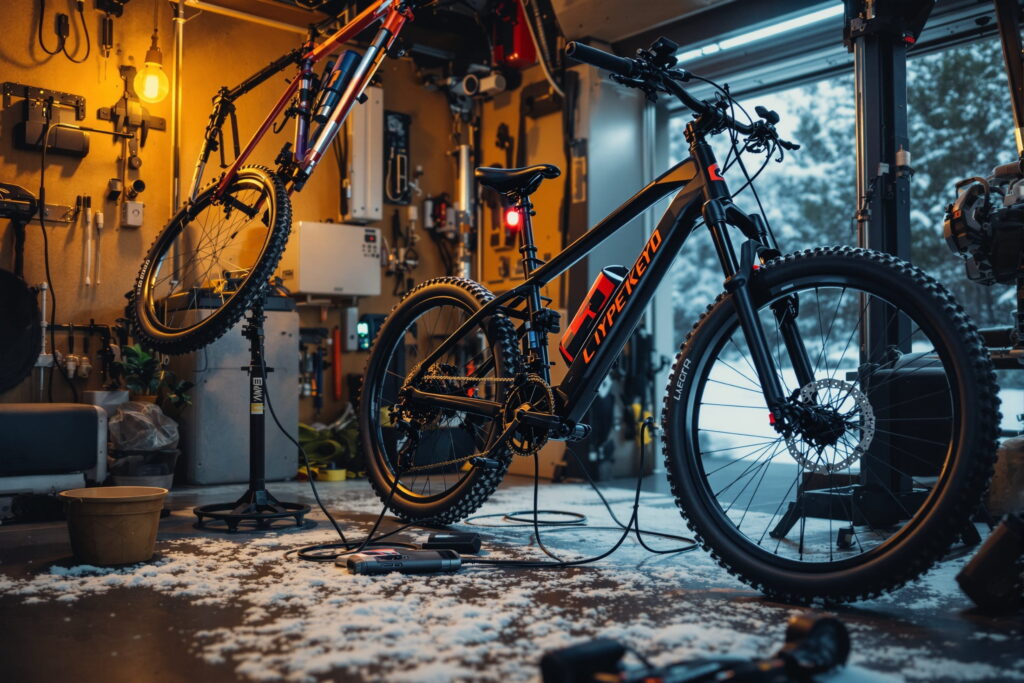
Charge the accumulator fully before storing it in cold conditions. This practice helps prevent the formation of lithium plating, which can lead to capacity loss.
Keep the energy reservoir at a moderate temperature. Ideally, store it in a space where temperatures remain above freezing, as extreme cold can reduce performance and longevity.
Regularly check the charge level. It’s advisable to maintain a state of charge between 20% and 80% during storage. If the energy levels drop too low, it could result in permanent damage.
Clean the terminals to ensure optimal connectivity. Dust and moisture can corrode contacts, so gently wipe them to prevent this issue.
Consider investing in an insulating cover for added protection against harsh conditions. This will provide an extra layer of defense from severe cold and potential moisture buildup.
Lastly, remember to monitor the performance after the season ends. A drop in range or a longer charging time may indicate a need for maintenance or replacement.
Maintaining Optimal Battery Temperature During Cold Months
Store the power source in a temperature-controlled environment whenever possible. Avoid placing it in garages or sheds that experience freezing temperatures, which can severely impact performance.
Avoid letting the energy unit fall below freezing point. Lithium-ion cells typically function best in temperatures between 20°F and 68°F (-7°C to 20°C). Operating outside this range can reduce output and durability.
Charge the unit in a warmer space. Doing this can enhance charging efficiency. Aim for an ambient temperature around 60°F (15°C) while charging to minimize stress on the components.
Check the manufacturer’s specifications for storage and operational temperature limits. Adhering to these guidelines can help extend the life of the unit, ensuring reliable performance during colder days.
- Use insulating materials, like padded bags, during transport.
- Ensure connections are clean and free from moisture before use.
- Periodically monitor temperature while riding, especially on long trips.
Consider investing in thermal wraps designed specifically for energy cells. These can help maintain warmth and protect against sudden temperature drops.
When parking for extended periods, bring the power source indoors. This simple action can prevent unnecessary energy loss and keep the unit ready for use.
Regularly inspect for signs of damage caused by temperature fluctuations. Prioritize replacing any components showing wear to maintain optimal performance and safety during cold rides.
Proper Storage Techniques for E Bike Batteries in Winter
Keep the power source at a temperature between 32°F and 68°F (0°C and 20°C). Extreme heat or cold can damage the lithium cells, affecting performance and lifespan. Storing at these temperatures helps maintain optimal charge retention and battery health.
Always store the energy pack fully charged. A charge level around 50% is ideal if you plan to keep it in storage for an extended period. This level helps prevent deep discharge, which can inhibit battery function and reduce capacity over time.
| Storage Condition | Temperature Range | Charge Level |
|---|---|---|
| Ideal | 32°F to 68°F | 50% |
| Too Hot | Above 86°F | Below 30% |
| Too Cold | Below 32°F | Below 30% |
Remove the battery from the frame before storing. This prevents any potential drainage from other components and ensures that the pack remains isolated. Store the unit in a dry, cool place, away from direct sunlight and moisture, which can lead to corrosion or overheating.
Regularly check the stored energy source every few weeks. Ensure charge levels remain stable and look for any signs of swelling or discoloration. Early detection of issues can prevent more serious problems, allowing for timely maintenance or replacement.
Regular Battery Maintenance Checks to Ensure Performance
Conducting consistent inspections on your e-vehicle’s power source significantly impacts its longevity. Initiate a routine every month to examine the connectors for corrosion or loose fittings. Clean the terminals with a soft cloth and apply dielectric grease to prevent rust. This simple act enhances connectivity and overall energy transfer.
Monitoring charge levels is paramount. Aim to keep the voltage between 20% and 80% for optimal lifespan. A full discharge can harm the cells, so recharge when the indicator shows low battery. If not used for extended periods, periodically engage the charging process to maintain battery health.
Temperature fluctuations can affect efficiency. Store the pack in a cool, dry location to minimize exposure to extreme conditions. If your electric ride is equipped with a smart monitoring system, utilize it to track performance statistics. This helps identify potential issues early and ensures prolonged functionality of the energy storage unit.