Bicycle Chain Maintenance Step by Step Guide
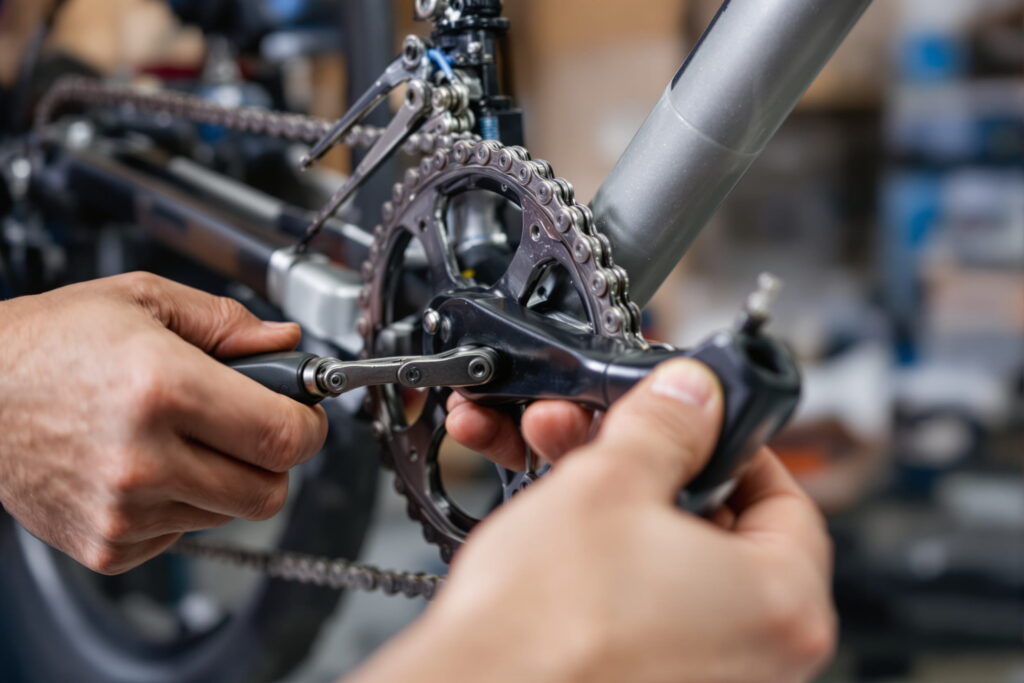
The first task is to inspect your links regularly for wear and damage. A quick visual check can reveal if the segments are stretched or damaged. If they show significant wear, replacement is necessary to ensure optimal performance.
Next, cleaning is imperative. Utilize a degreaser to eliminate grime and dirt buildup, which can hinder smooth operation. After applying the cleaner, scrub with a brush to reach those hard-to-see areas. Rinse and allow to dry completely.
Lubrication follows the cleaning process. Apply a suitable lubricant specifically designed for the components in question. A few drops on each link will suffice; avoid over-lubricating, as excess oil attracts more dirt.
Finally, tension assessment is key. Proper tightness influences both performance and longevity. Use the appropriate tool to check the slack and adjust it accordingly, ensuring a snug fit without being overly tight.
How to Properly Clean Your Bicycle Chain
Begin by gathering the necessary supplies: degreaser, brushes, rags, and a lubricant. Ensuring you have all tools at hand simplifies the process.
First, position your bike in a stable way, preferably on a work stand. This allows for easier access to the drivetrain, making it comfortable to clean effectively.
Using a degreaser, apply it generously to the drivetrain components. Focus on the links and rollers for maximum impact. Allow the product to penetrate for a few moments.
- Utilize a brush to scrub away grime, moving in the direction of movement.
- Pay special attention to areas where dirt accumulates, like the jockey wheels and derailleur pulleys.
After scrubbing, rinse with water or wipe with a damp cloth to remove residue. Avoid soaking any components to prevent water intrusion into bearings.
Once dry, apply lubricant to the inner surfaces of the links. Do this sparingly; too much can attract dust and debris.
After applying, rotate the pedals backward to ensure the lubricant is evenly distributed. Wipe off any excess lubricant to maintain cleanliness.
Regular cleaning should be part of your routine, particularly after rides in wet or muddy conditions. This keeps components running smoothly and extends their lifecycle.
Choosing the Right Lubricant for Your Bicycle Chain
Select a lubricant specifically designed for moving parts in wet or dry conditions. For humid climates, opt for a wet lubricant that adheres well and provides long-lasting protection against moisture. In contrast, if you often ride in dry and dusty environments, a dry lubricant will prevent dirt accumulation and maintain a clean system.
Consider the application method as well. Some products come in a bottle with a precision tip for targeted application, while others are available in spray form for quick coverage. Choose based on your preferred technique and the level of control you need during the process.
Always follow manufacturer instructions for optimal use. Regularly check lubricant consistency; if it appears thick or gunky, it might need replacement. Before reapplying, clean components thoroughly to ensure optimal performance of the new lubricant.
Identifying and Fixing Chain Wear and Damage
Check for wear using a chain checker tool. This device measures stretch and will indicate whether replacement is necessary. A 0.5% stretch usually signifies it’s time to replace the component.
Inspect for visible damage. Look for bent links or damaged rollers, which can compromise performance. If any links appear out of alignment or twisted, replacing the entire chain is advisable.
Worn-out components can lead to poor shifting and increased wear on gears. Regularly examine the interface between the chain and cogs; if skipping or slipping occurs, it may indicate wear that warrants immediate attention.
Cleaning can prevent some forms of deterioration. Use degreasers and a cloth to remove grime and dirt. Accumulated debris accelerates wear and impairs function.
If a broken link is detected, it can often be repaired with a quick link or replacement pin. Ensure the new link is compatible with the rest of the assembly, checking the specifications for size and type.
Incorporating lubricant after the cleaning process reinforces longevity. Apply it sparingly, allowing it to penetrate the internal components, which minimizes friction and aids in optimal performance.