
Folding Bike on a Plane Airline Rules 2026
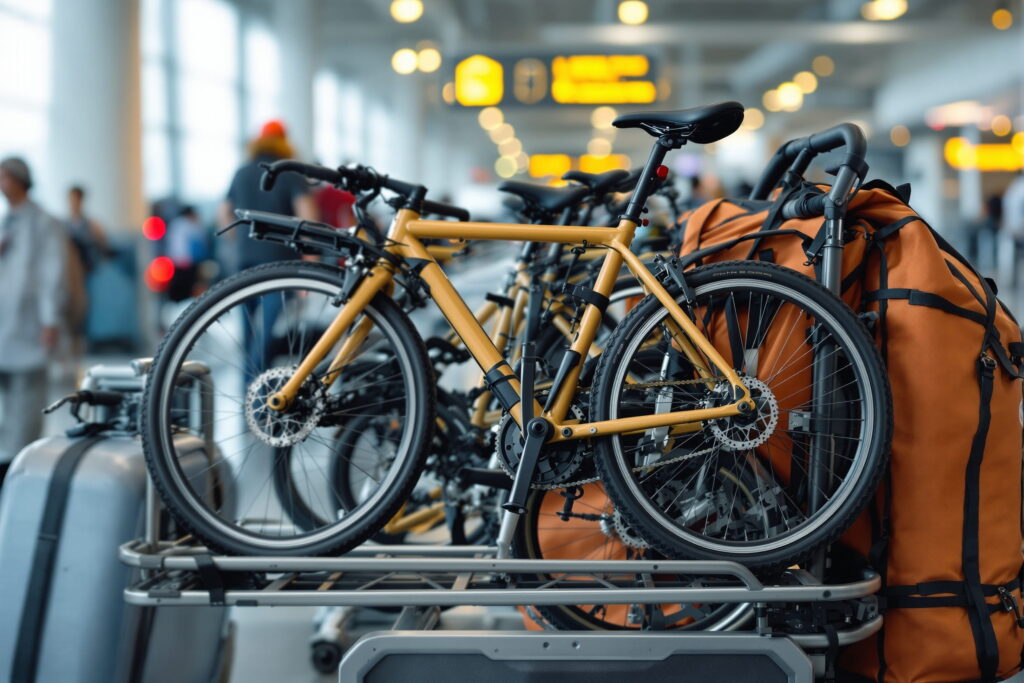
Before you pack your cycle for travel, check with your carrier for specific requirements regarding size, weight, and packing. Many providers allow two-wheeled vehicles as checked luggage, but some may require special handling or additional fees. Ensuring compliance with your chosen operator’s guidelines is essential for a smooth boarding process.
Typically, you may be required to disassemble certain parts, such as handlebars and pedals, or use a protective case to minimize damage during transit. Measuring your equipment is necessary to avoid surprises at the airport. Remember, aircraft guidelines can vary widely, so always review the latest updates from the relevant company prior to your departure.
A few operators may offer specific space for two-wheeled vehicles, so it’s beneficial to inquire about prioritizing luggage in advance. Securing proper documentation, like receipts or manuals, is recommended in case of disputes regarding size or condition. Planning ahead will not only simplify your trip but also maximize your enjoyment upon arrival at your destination.
Understanding Airline Policies for Traveling with Folding Bikes
Check with your carrier beforehand to see if they permit compact cycles as luggage. Many airlines allow these vehicles in the cabin if they fit their size restrictions, typically under 62 linear inches. For trips involving larger versions, you might need to disassemble the unit and pack it in a suitable travel bag. Review the specific guidelines on allowable dimensions and weight to avoid unexpected fees.
| Carrier | Cabin Allowance | Checked Baggage Policy |
|---|---|---|
| Airline A | Up to 56 cm folded | Weight limit 23 kg, extra fees apply |
| Airline B | Accepted in cabin, 57 cm max | Disassembled only, weight limit 32 kg |
| Airline C | Not allowed as cabin luggage | Allowable only with transport fee, 20 kg limit |
Be ready to fold the structure and keep all accessories stowed away. Notify staff during check-in about your compact setup for smoother processing. Familiarize yourself with each operator’s specific stipulations regarding packing, as neglecting their rules can lead to complications at the airport.
Preparing Your Folding Bike for Air Travel: Step-by-Step Guide
First, disassemble components that may cause damage during transport. Remove pedals, front wheel, and seat if possible. This minimizes bulk and protects fragile parts. Use a multi-tool designed for bike maintenance for ease. Secure loose elements in a padded bag or wrap them in protective material to prevent scratches.
Next, choose an appropriate container. Custom-fit cases designed for compact cycles are ideal, offering structural support and padding. If unavailable, a sturdy cardboard box can serve as a budget-friendly alternative. Ensure the box is sealed with strong tape, clearly marked with fragile labels to alert handlers.
Lastly, contact your carrier to confirm specific restrictions on transported items. Some operators impose size and weight limitations, so familiarity with their policies prevents unexpected fees. Prioritize checking if your chosen carrier offers dedicated services for transporting cycles, as this may simplify your experience.
Comparing Airline Fees and Restrictions for Folding Bikes
Check the specific carrier’s policies online before traveling. Each has unique guidelines impacting fees and handling of compact cycles. Generally, fees could range from $0 to $150, depending on the airline.
Most airlines require that your cycle be folded and stored in a designated bag. Without this, you might face additional charges. Common dimensions for bags are around 30 inches by 20 inches, but verify with your chosen service to avoid surprises.
- For example, some carriers allow a complimentary option if the compact model fits under the seat.
- Others impose strict weight limits, often set at 50 pounds, beyond which extra fees apply.
- A few companies strictly classify these items as sporting equipment, which could double the standard baggage fee.
It’s beneficial to bookmark the FAQ section of your preferred carrier’s website for any updates. Some also provide an online chat feature for immediate assistance regarding specific questions.
Inquire about the availability of priority handling to ensure quicker retrieval upon landing. This service might incur extra costs but can save time and reduce wear on your property.
Keep in mind that each service may differ between domestic and international routes. Prepare to adjust based on your destination or transit points, as rules may vary significantly across regions.