
E Bike vs Regular Bike Is It Worth the Extra Cost
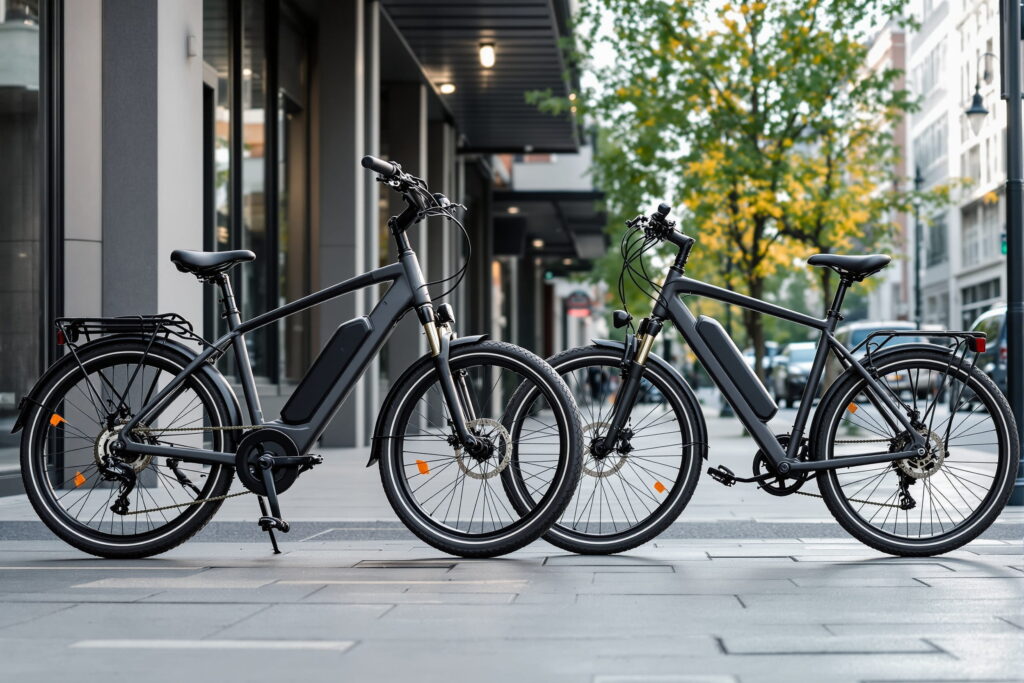
Choosing between an e-cycle and a traditional cycle clearly leans towards the latter if you prioritize budget. However, the enhanced features of electric models often counterbalance their higher price tag for many users. With an average cost approaching $2,000 for a quality e-cycle, understanding the benefits can help you make an informed decision.
Electric cycles offer remarkable ease of use, particularly for urban commuting. With their ability to support longer distances without overwhelming physical strain, they cater well to those whose daily routines require efficiency. For instance, riders can tackle steep inclines effortlessly or cover greater distances without needing frequent breaks.
On the other hand, traditional cycles remain a favorite for many due to their simplicity and lower maintenance. At a price point that can start below $500, they provide an economical alternative without the need for charging stations or battery replacements. Ultimately, the choice hinges on how much value you assign to convenience and technology against the backdrop of your cycling habits.
E Bike Versus Regular Bike: Is Extra Cost Justified?
For many riders, opting for an e-variant provides a compelling advantage. These models can significantly reduce travel time, especially in urban environments with hilly terrain. A typical e-variant can cover distances of 20 to 60 miles on a single charge, often outperforming traditional models in terms of speed and stamina. Users can expect to climb steep inclines with less effort, making daily commutes easier and less taxing on the body.
However, the financial implications cannot be ignored. Initial prices for e-versions generally fall in the range of $1,500 to $7,000, while standard options usually cost between $300 to $1,200. Weighing features like battery life, maintenance frequency, and potential savings on transportation costs is essential. Ultimately, knowing individual usage patterns and riding environments can clarify whether the price difference aligns with personal needs.
Initial Purchase Price and Long-Term Investment
The upfront expense of an electronic cycle typically exceeds that of a traditional two-wheeler. On average, the price for an e-vehicle hovers around $1,500 to $4,000, while standard models range from $300 to $1,500. This higher initial expenditure raises important questions about value.
Maintenance expenses for both options tend to differ significantly. Conventional models generally incur lower ongoing charges, given their straightforward mechanical nature. Conversely, e-vehicles require periodic battery replacements, often costing several hundred dollars every few years.
Fuel efficiency also plays a role in determining long-term value. While electric units rely on charging, many users report reduced overall commuting costs. Regular models, requiring physical exertion, might save money on fuel but demand more effort on the rider’s part.
Insurance premiums can vary. Traditional machines often attract lower rates due to perceived lower risk. However, certain policies for e-rides can be negligible, especially in urban settings, where theft rates may influence costs.
Consider depreciation rates when contemplating a purchase. E-vehicles tend to depreciate quicker than traditional counterparts, primarily driven by rapid technological advancements. This factor can impact resale value significantly, especially for those looking to upgrade.
Another financial aspect to evaluate is health benefits. Riding encourages physical fitness, potentially leading to reduced medical expenses over time. Users of electric models may enjoy a leisurely pace, making them suitable for a broader audience, including those with limited physical capabilities.
The environmental implications also bear consideration. While initial monetary outlay may be higher for e-units, many riders find satisfaction in lower carbon footprints, potentially justifying expenses through personal values.
In conclusion, although the first investment in an e-model can be daunting, evaluating long-term financial and personal benefits, alongside lifestyle factors, provides a clearer understanding of value. Each individual’s circumstances will significantly influence this evaluation.