How to Choose the Perfect Folding Bike Complete Guide 2026
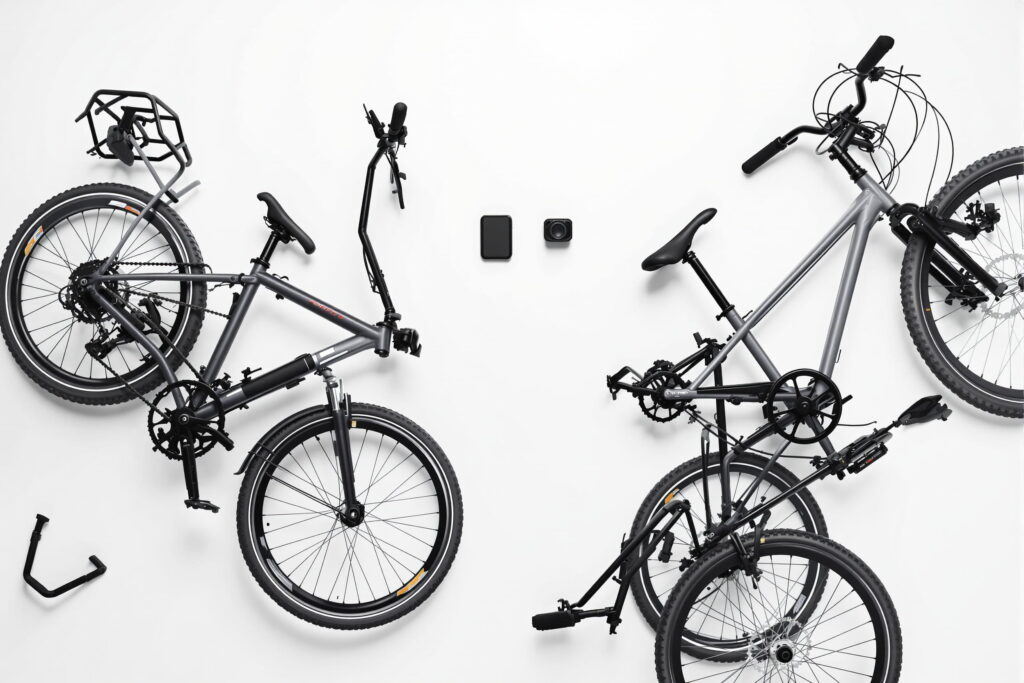
Prioritize portability and comfort when selecting a compact bicycle in 2026. Lightweight frames and convenient folding mechanisms are essential features that enhance user experience. Brands such as Brompton and Dahon offer robust models that excel in both performance and ease of storage.
Examine wheel size and material as they significantly impact the ride quality. A smaller wheel diameter often allows for easier folding and carry options but may sacrifice stability on uneven surfaces. Models with 20-inch wheels provide an excellent balance between compactness and riding comfort.
Pay attention to gear systems. Multi-speed options can cater to various terrains, making commutes more enjoyable. Electric assist versions are gaining popularity, especially for urban riders facing challenging inclines. Test the different gear configurations to find the best match for your cycling style.
Lastly, consider accessories that enhance functionality. Fenders, racks, and lighting systems not only add value but also improve safety during rides. Ensure your chosen model supports these features to elevate overall usability and enjoyment.
Evaluating Design and Weight for Urban Commuting
Look for models that weigh under 25 pounds, ensuring ease of transport on public transportation or when carrying up stairs. Lightweight materials like aluminum or carbon fiber significantly reduce bulk without compromising durability.
A compact frame design facilitates better maneuverability in crowded city streets. Pay attention to how the folding mechanism operates; it should be intuitive and quick, allowing users to fold and unfold in seconds, minimizing disruption during busy commutes.
Consider bike geometry for comfort during daily usage. An upright riding position often reduces strain on the back and neck, ideal for short to mid-range travel. Additionally, adjustable handlebars can enhance ergonomics for different riders.
Storage options play a significant role in urban cycling. Integrated racks or built-in fenders not only add functionality but also enhance the overall aesthetic. Ensure any added features do not significantly increase weight.
Check tire size; wider tires can improve stability and traction on various surfaces. However, balance this with the weight of the bike, as larger tires typically add mass. A good guideline is 20-inch tires for a balance of comfort and portability.
Test ride different models before making a decision. Feeling the bike’s responsiveness and comfort firsthand is crucial for ensuring a pleasant commuting experience in urban environments.
Understanding Gear Systems and Riding Performance
Opt for a bike equipped with a derailleur system for versatility and responsiveness in varied terrains. This setup allows for quick gear changes, making it easier to tackle inclines and achieve higher speeds on flat surfaces.
Planetary gears offer durability and require less maintenance. They are encased within the hub, providing protection from elements and reducing wear. Ideal for urban commuting, these systems facilitate seamless shifting while navigating busy streets.
When considering gear ratios, choose a model with a broader range for enhanced adaptability. A lower ratio is beneficial for climbing steep hills, while a higher ratio enhances speed on level roads. Balancing these aspects improves overall performance.
Pay attention to the number of gears. Models with more options typically provide better customization for different riding styles. For city riders, a 3 to 7-speed system can suffice, while those seeking off-road adventures may need up to 21 speeds.
Finally, examine the shifter design. Twist shifters are compact and easy to use, while trigger shifters allow for quicker gear changes. Your choice here influences riding comfort and control, essential for maximizing performance during each ride.
Assessing Storage Solutions and Portability Features
Consider models featuring compact folding mechanisms for easy storage. Look for designs that achieve a lightweight profile, allowing effortless handling in tight spaces. Some bicycles can fold down in under 30 seconds, which is advantageous for urban dwellers with limited apartment space.
Examine the folded dimensions of various options. A smaller footprint simplifies transportation in public transport settings or when stored in the trunk of a car. Models with dimensions around 25 x 30 x 12 inches are typically optimal for fitting into overhead compartments or closets.
- Check for integrated carrying handles or straps.
- Evaluate the weight of the bicycle; options weighing under 25 pounds are preferable.
- Identify any locking mechanisms that keep the bike securely folded.
Portability is enhanced when the bike offers accessories like a detachable seat post or removable handlebars. These features can minimize space requirements when storing in small areas. Also, consider whether the bike includes a built-in storage compartment or the ability to attach bags for carrying essentials.
Review personal needs based on common usage scenarios. For frequent commuters, invest in lightweight models with quick-release components. In contrast, those using bicycles for leisure may prioritize build quality over folding speed. Understanding individual requirements aids in selecting the most suitable option.